

Step into a traditional Basque restaurant in California’s Central Valley, and you will not receive an individual menu or an isolated dining table. Instead, you enter a culinary custom forged over a century ago by sheep herders, boarding house owners, and tight-knit immigrant families. The historic Fresno Basque dining tradition represents one of the most resilient and beloved food cultures in the region, offering rich communal feasts that celebrate heritage, hard work, and hospitality.
The Early Immigrants: From Pyrenean Slopes to Valley Pastures
During the mid-19th century and into the early 1900s, thousands of immigrants migrated from Euskal Herria—the Basque region straddling the western Pyrenees mountains of France and Spain. Initially drawn to California by the Gold Rush, many quickly recognized that their traditional skills in livestock management were far more reliable than mining gold in the Sierra foothills. They transitioned into sheep raising, driving massive flocks across the vast, arid terrain of the San Joaquin Valley and mountain ranges.
As these young men arrived in Central California, often speaking only their native Basque language (Euskara), they needed places to anchor themselves between long months spent in remote pastures. Downtown urban centers across Fresno County became essential hubs for connection, lodging, and community support, leading to the establishment of historic boarding houses tailored to their needs.
The Evolution of the Basque Boarding House
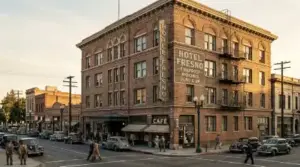
The foundation of Basque dining in Fresno grew directly out of these classic boarding house structures, known locally as ostatuak. Facilities such as the historic Santa Fe Hotel in downtown Fresno served as vital multi-purpose community centers. These establishments provided comfortable rooms, mail delivery, translation services, and, most importantly, family-style meals served at long shared tables.
Boarding house kitchens operated with practical efficiency. Meals were prepared in bulk to feed dozens of hungry herders returning from the open range. Food was served on large platters passed around communal tables, fostering an environment where newcomers could share news from home, celebrate milestones, and build lifelong bonds across the valley floor.
Over time, local townspeople took notice of the extraordinary smells emanating from these dining rooms. Boarding house owners opened their doors to the broader public, turning private residential dining halls into public restaurants while keeping the iconic multi-course, family-style format intact.
The Anatomy of a Traditional Basque Feast
Experiencing a traditional Basque dinner in Fresno is an exercise in abundant hospitality. Unlike standard restaurant service where guests order single entrees, a Basque meal unfolds as a multi-course ritual known simply as “the set-up.”
1. Bread, Soup, and “Basque Beans”
The meal begins immediately upon seating. Large loaves of crusty, sourdough-style bread arrive alongside creamery butter, followed by steaming tureens of vegetable or cabbage soup. Accompanying the soup is a bowl of slow-cooked red beans seasoned with garlic, onions, and pork. Local custom dictates mixing a spoonful of beans directly into your soup bowl for extra flavor and texture.
2. Side Platters and Salads
Next comes a rotating parade of shared side dishes. Crisp green salads tossed in tangy garlic vinaigrette, bowls of pickled tongue, spicy tomato-based salsas, french fries, and savory pasta dishes land on the table. Every platter is designed to be passed from person to person, encouraging conversation between neighbors.
3. Hearty Main Courses
For the main course, diners select from classic region-tested meats prepared with straightforward techniques that highlight quality ingredients. Options frequently feature slow-roasted garlic lamb, ribeye steaks cooked over high heat, roasted chicken, or fried seafood. Everything is cooked to highlight bold, savory flavors honed by generations of ranch home cooks.
4. The Iconic Picon Punch
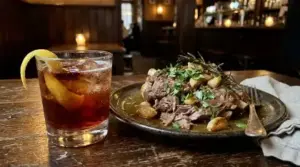
No discussion of Central Valley Basque culture is complete without mentioning the legendary Picon Punch cocktail. Originally created as an aperitif for hard-working ranch hands, this potent drink blends Amer Picon (or Torani Amer), grenadine, club soda, a float of brandy, and a twist of lemon peel. It remains the unofficial cocktail of Basque establishments throughout California.
Preserving Cultural Heritage in Modern Fresno County
While many original downtown boarding houses have transitioned over the decades, the spirit of Basque dining lives on throughout Fresno County and neighboring Central Valley communities. Modern establishments, including long-standing family operations like the Santa Fe Basque Restaurant and Bar, continue to honor these decades-old recipes and communal seating traditions.
Beyond the dinner table, local organizations like the Fresno Basque Club host annual festivals featuring traditional folk dancing (dantza), handball tournaments (pelota), and live music. These gatherings ensure that younger generations retain a strong connection to their Pyrenean heritage while welcoming the broader public to experience their culture.
Why You Should Experience Basque Dining Today
In an era dominated by quick-service food and isolated dining, Fresno’s Basque dining scene offers something increasingly rare: a slow, deliberate meal built around shared connection. Sitting at a communal table passing platters of food creates an immediate sense of camaraderie that honors the immigrants who helped build the Central Valley’s agricultural backbone.
Whether you are a lifelong Fresno County resident or a visitor exploring the region’s culinary geography, taking part in a Basque feast provides an authentic taste of California history that satisfies both appetite and curiosity.